Todoist vs TickTick vs Super Productivity for Developers
Todoist vs TickTick vs Super Productivity, compared through a developer lens: Git integrations, time tracking, privacy, offline use, and which task manager actually fits a coding workflow.
Todoist vs TickTick vs Super Productivity, compared through a developer lens: Git integrations, time tracking, privacy, offline use, and which task manager actually fits a coding workflow.
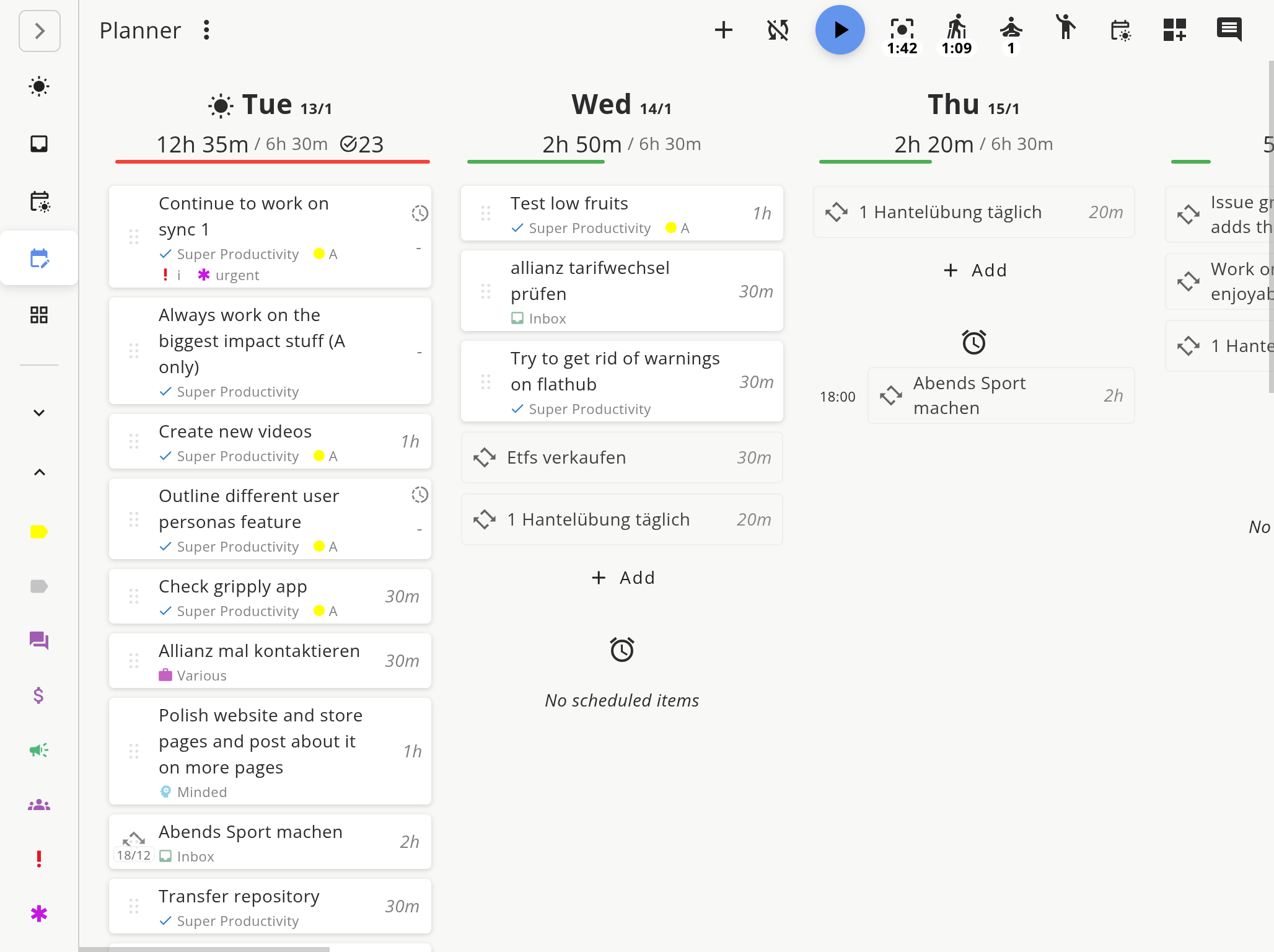
Connect Google Calendar to Super Productivity to see your meetings next to your tasks and time-block work straight onto your calendar – with OAuth sync that keeps data on your device.

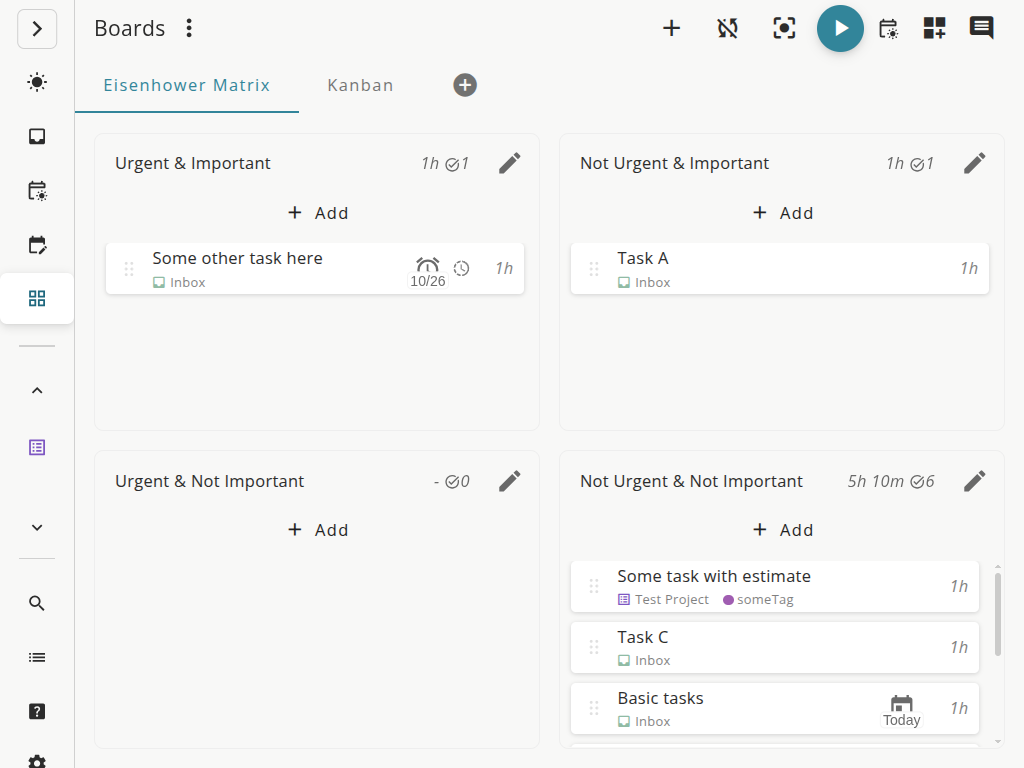
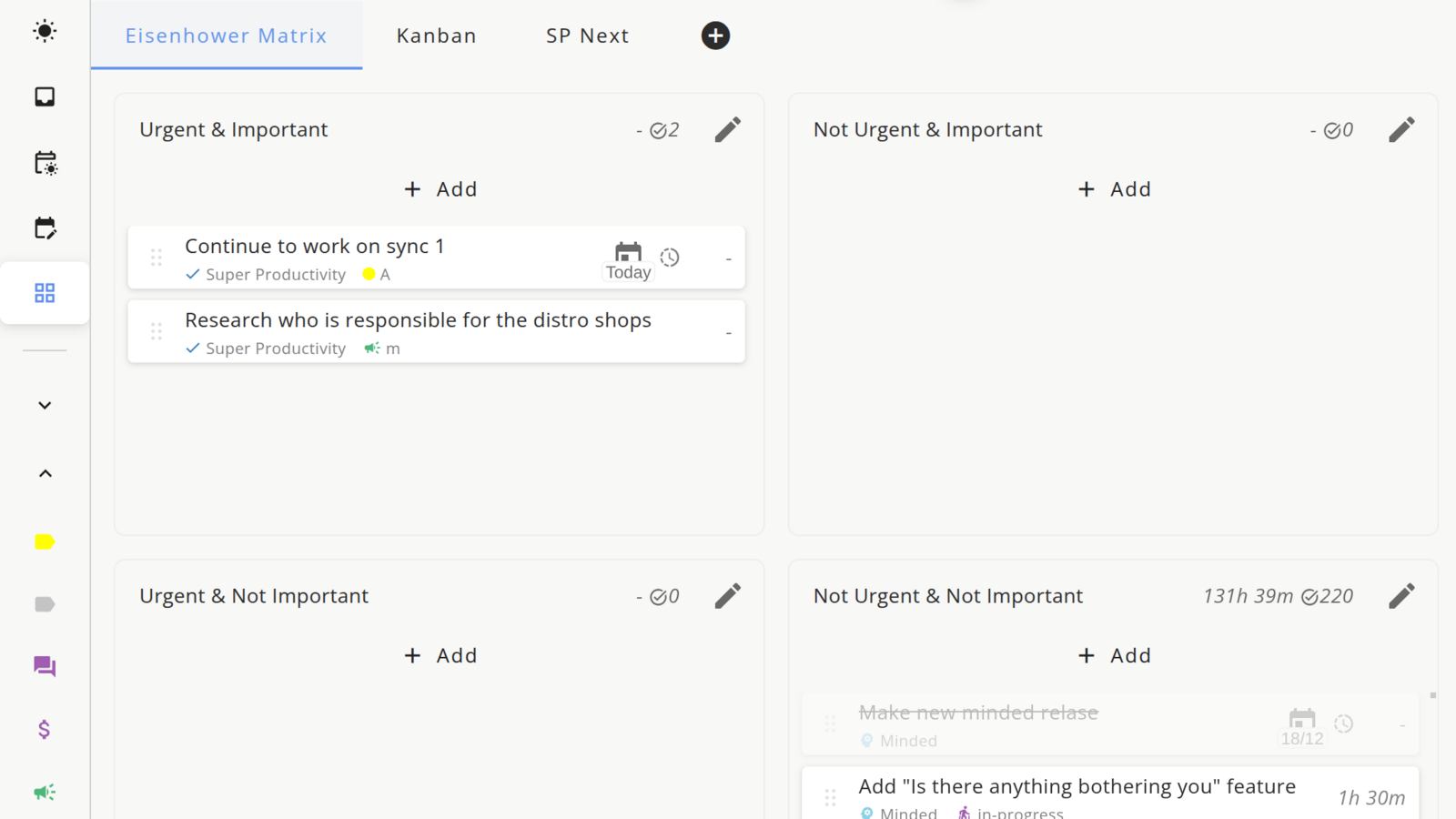
Turn the urgent-vs-important framework into a working board. Set up Eisenhower Matrix quadrants in Super Productivity and protect your Q2 deep work.

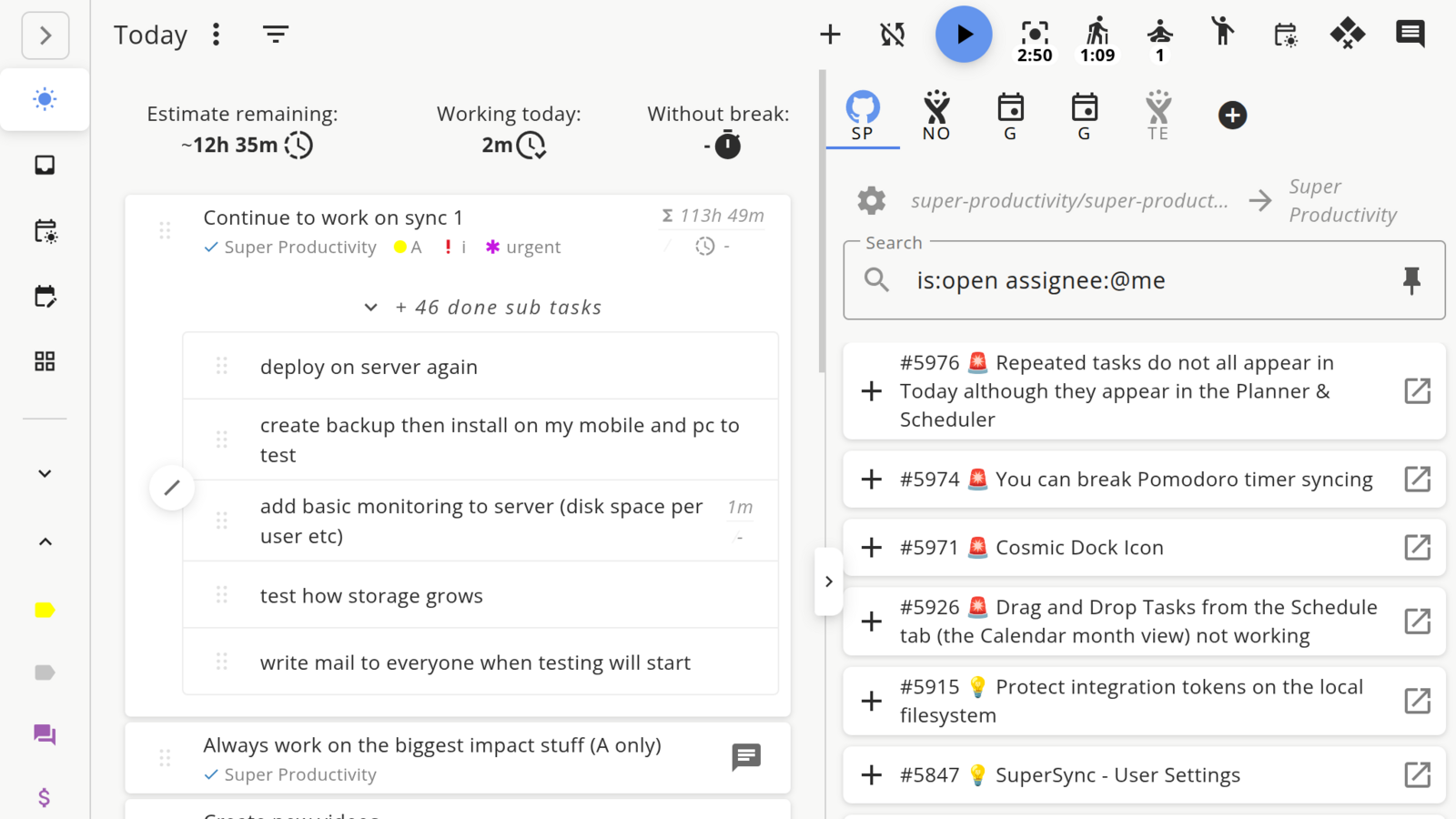
Your assigned GitHub issues are scattered across repos and notification tabs. Here is how to pull them into one focused daily plan and track local time.

Stop guessing, start diagnosing. A structured approach to debugging that finds root causes faster and builds lasting problem-solving intuition.

AI review tools catch style issues and common bugs fast – but they also create automation complacency. Learn a two-pass review strategy that gets the best of both worlds.

Hyperfocus can ship a feature in one sitting or swallow a whole day on the wrong task. Learn to aim it at work that matters, set guardrails, and surface without crashing.

ADHD brains lose what they cannot see. A Kanban board, an Eisenhower matrix, and a calendar view turn invisible work and time into something you can actually act on.

AI explains code quickly – but explanations aren't understanding. Learn when AI accelerates codebase onboarding and when it creates false confidence.

Many people with ADHD seek stimulation, not suppression. A dopamine menu can give you lower-risk options when focus wanes – before you end up 40 minutes deep in social media.

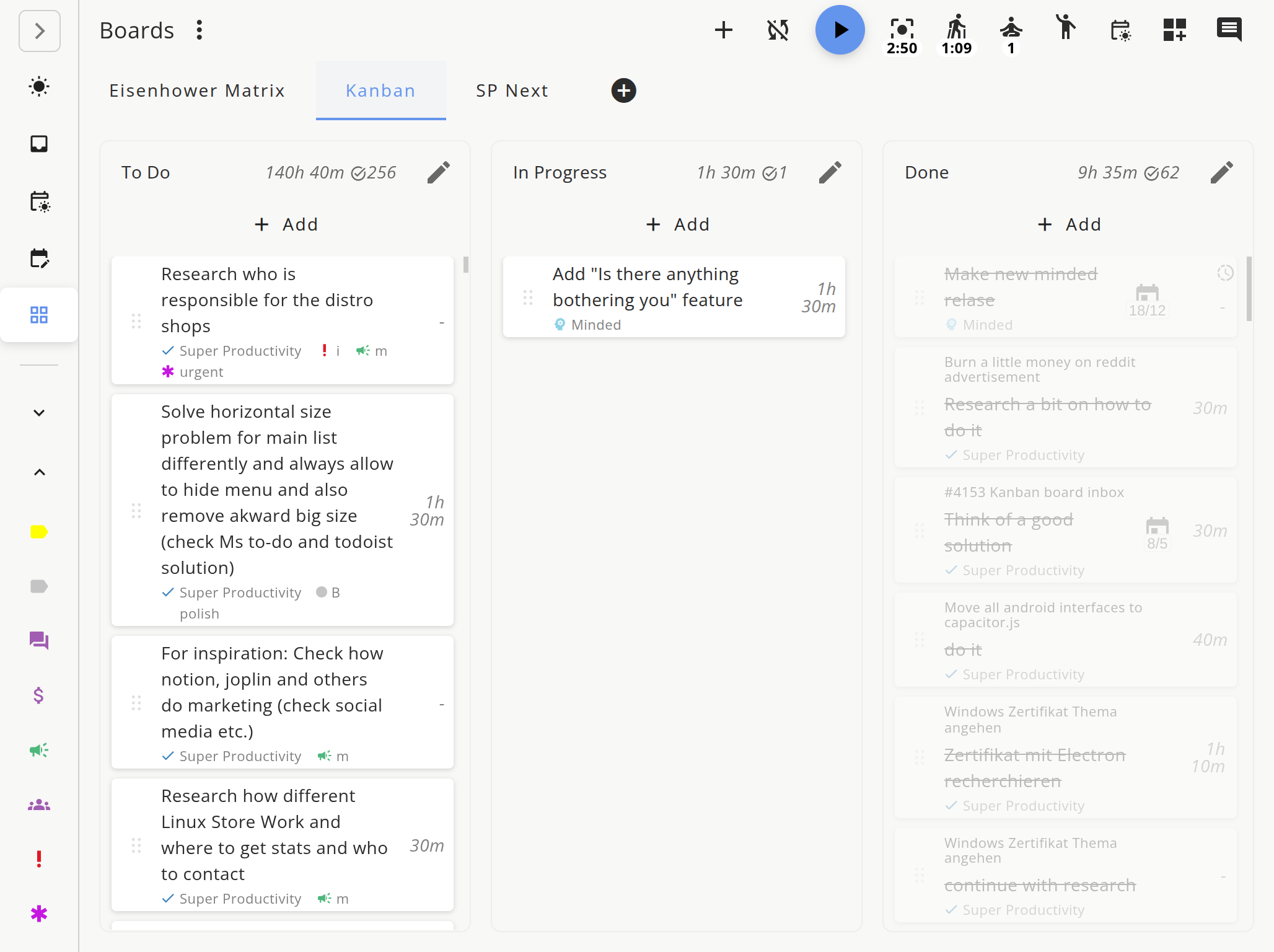
A developer-focused personal Kanban setup for solo projects, issue trackers, code review, bugs, and deep work without turning your task board into a second project management job.

A practical comparison of Sunsama alternatives for 2026, including free, open-source, local-first, AI scheduling, and lightweight daily planning options.

A practical comparison of local-first and offline-first to-do apps for 2026, including Super Productivity, Obsidian Tasks, Taskwarrior, Joplin, Logseq, todo.txt, and Planify.
A practical comparison of open-source time tracking apps for 2026, including Super Productivity, Kimai, ActivityWatch, Timewarrior, TimeTagger, and Traggo.

A privacy-focused comparison of mainstream task managers and the open-source, local-first alternatives. What each tool stores, who can read it, and how to switch.

GTD answers what to work on. Timeboxing answers when. They look like rivals but solve different problems – and the strongest setups quietly run both at once.

Subscription prices are climbing, AI clauses are quietly appearing in productivity tool ToS, and account lockouts feel less hypothetical every year. Here is how to build a self-hosted setup that actually holds up – and what to look for before you switch.

Timeboxing and time blocking sound similar but work differently. Time blocking reserves calendar slots for types of work. Timeboxing assigns fixed durations to specific tasks. Here's when to use each.

Pure calendar blocking is fragile. Pure to-do lists ignore time. Here's how combining both approaches fixes the flaws of each – and why timeboxing is the bridge.
Scope creep doesn't announce itself. It shows up as 'quick questions' and 'small tweaks' that quietly erode your margins. Time tracking data is the early warning system many freelancers overlook.