

· Johannes Millan
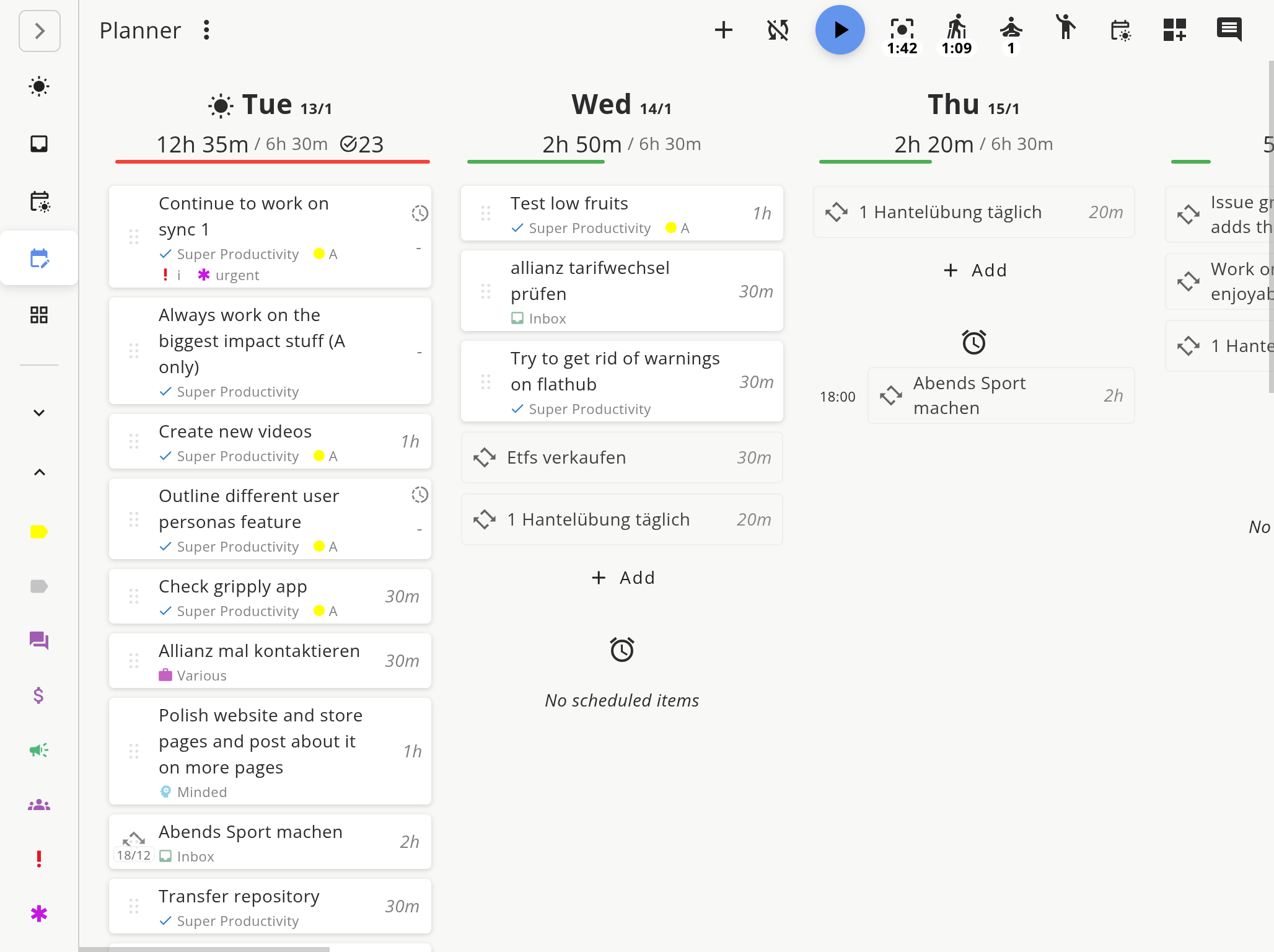
Best Sunsama Alternatives in 2026
A practical comparison of Sunsama alternatives for 2026, including free, open-source, local-first, AI scheduling, and lightweight daily planning options.
A practical comparison of Sunsama alternatives for 2026, including free, open-source, local-first, AI scheduling, and lightweight daily planning options.
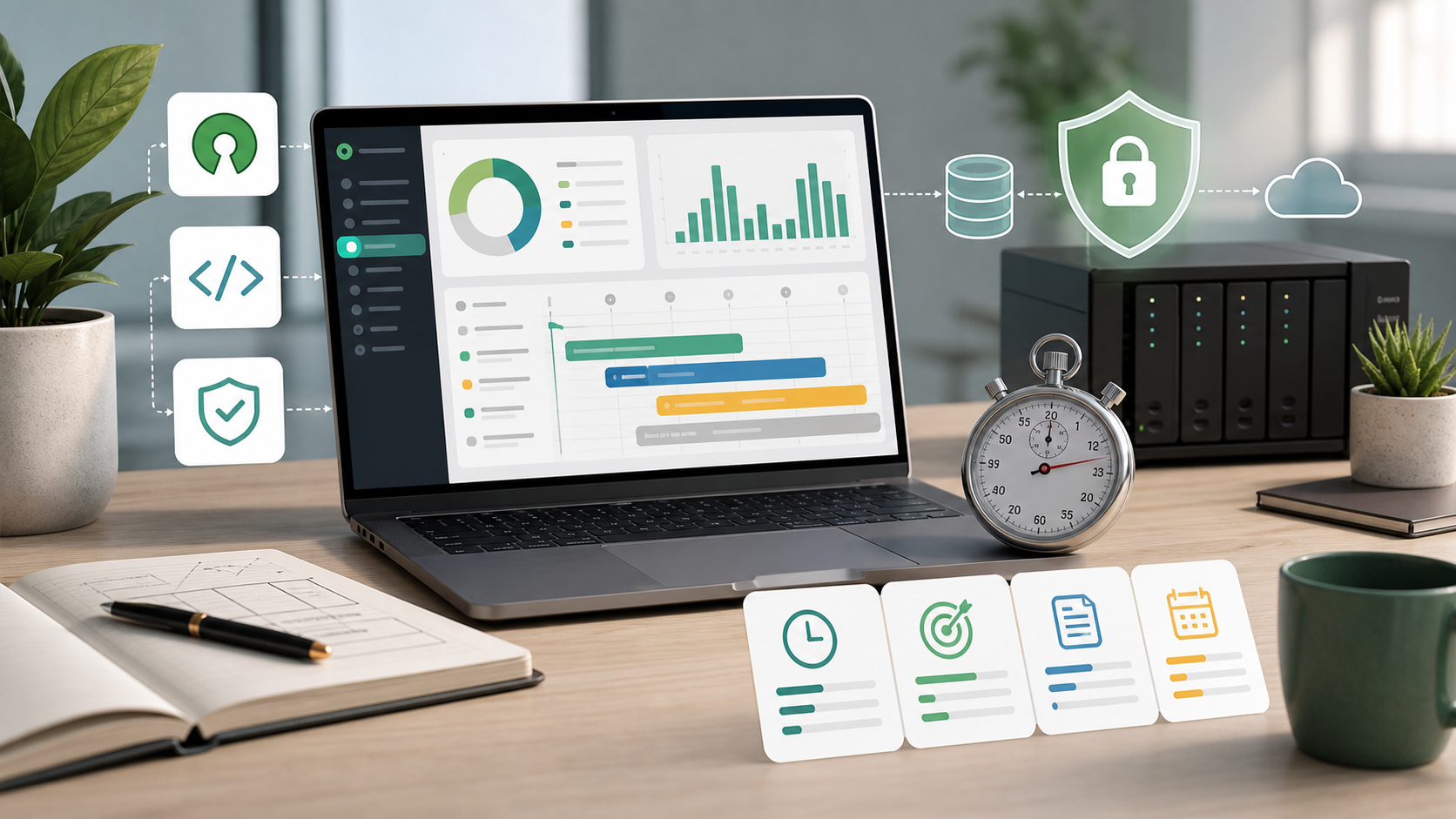
A practical comparison of open-source time tracking apps for 2026, including Super Productivity, Kimai, ActivityWatch, Timewarrior, TimeTagger, and Traggo.
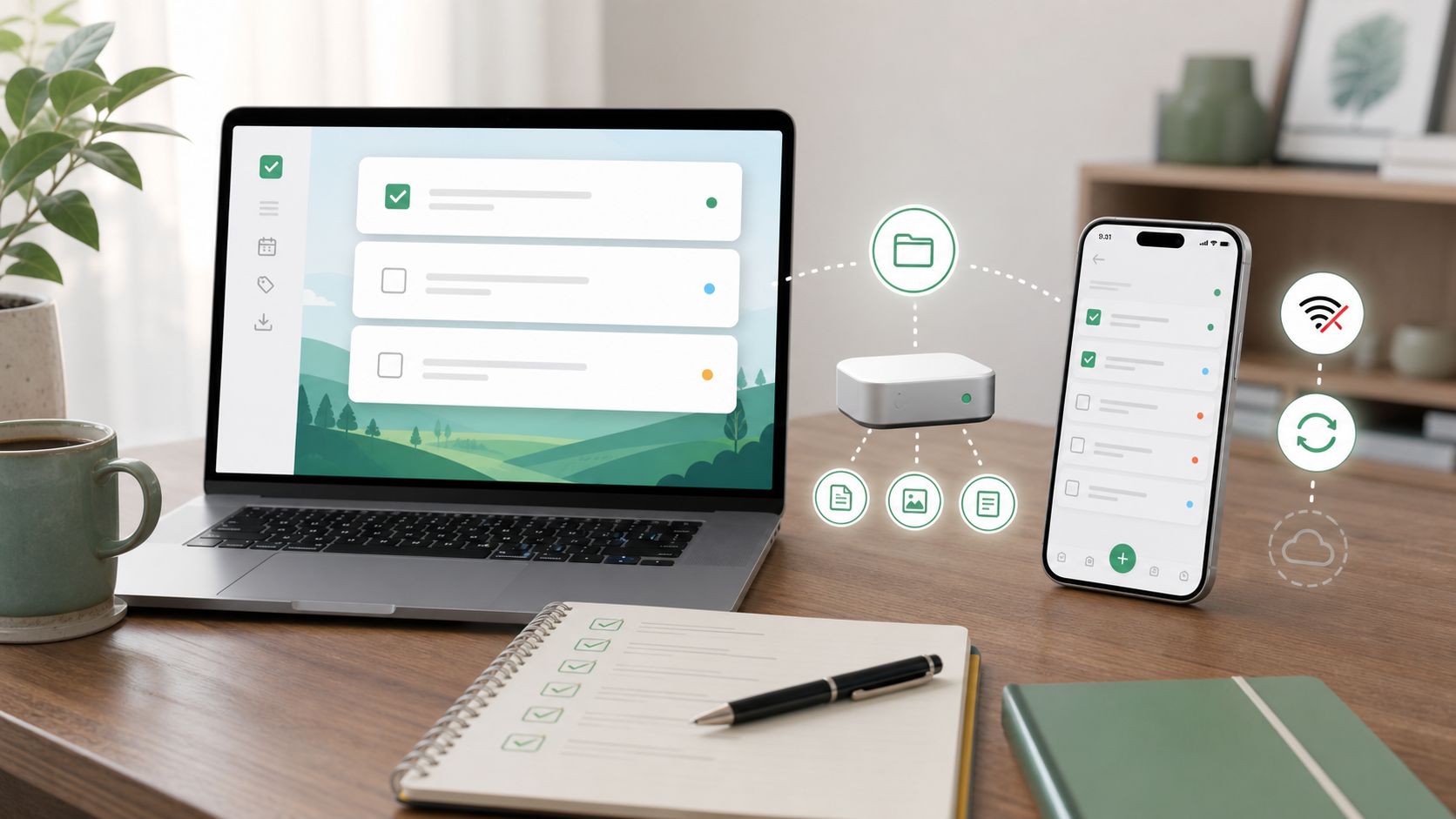
A practical comparison of local-first and offline-first to-do apps for 2026, including Super Productivity, Obsidian Tasks, Taskwarrior, Joplin, Logseq, todo.txt, and Planify.

A privacy-focused comparison of mainstream task managers and the open-source, local-first alternatives. What each tool stores, who can read it, and how to switch.
GTD answers what to work on. Timeboxing answers when. They look like rivals but solve different problems – and the strongest setups quietly run both at once.
Subscription prices are climbing, AI clauses are quietly appearing in productivity tool ToS, and account lockouts feel less hypothetical every year. Here is how to build a self-hosted setup that actually holds up – and what to look for before you switch.

Timeboxing and time blocking sound similar but work differently. Time blocking reserves calendar slots for types of work. Timeboxing assigns fixed durations to specific tasks. Here's when to use each.
Pure calendar blocking is fragile. Pure to-do lists ignore time. Here's how combining both approaches fixes the flaws of each – and why timeboxing is the bridge.
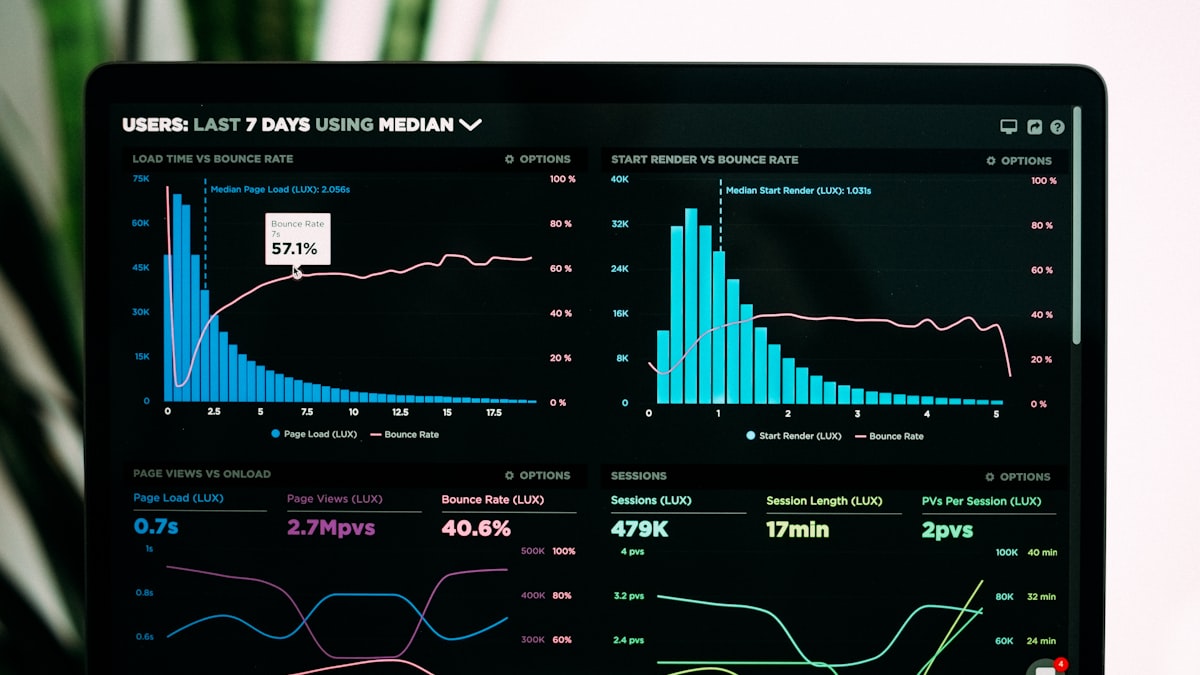
Scope creep doesn't announce itself. It shows up as 'quick questions' and 'small tweaks' that quietly erode your margins. Time tracking data is the early warning system many freelancers overlook.
Most freelancers unknowingly store client personal data in cloud task apps. Here's a practical checklist to stay GDPR-compliant – or sidestep the problem entirely.
Your productivity data is scattered across cloud services you barely control. Here's a practical framework for auditing, exporting, and switching to local-first tools.

High-importance, low-urgency tasks trigger ADHD paralysis. Learn why your brain ignores what matters most and how to make important work feel urgent without crisis.

You couldn't start the task alone, but the moment someone sat nearby you finished it in 20 minutes. That's body doubling -- and science explains exactly why it works for ADHD brains.

AI can boost test coverage overnight – but coverage alone doesn't catch bugs. Learn where AI-generated tests genuinely help and where they create a dangerous illusion of safety.

Task paralysis isn't laziness – it's executive dysfunction colliding with choice overload. Learn the neuroscience behind the freeze and 7 practical ways to unlock movement.

Time blindness isn't poor time management – it's a neurological difference in how ADHD brains perceive time. Learn why standard timers backfire and what actually works.

You make hundreds of micro-decisions before lunch. By 3 PM your brain takes shortcuts. Learn the neuroscience behind decision fatigue and how to protect your best thinking.
Most tasks on your list aren't tasks at all – they're projects in disguise. Learn how GTD's project thinking turns overwhelming goals into manageable next actions.
Every uncaptured thought drains mental energy. Learn the psychology behind GTD's capture step and how to build an inbox system you actually trust.
The Weekly Review is where GTD lives or dies. Learn the psychology behind why this ritual matters, the 6-step process to execute it well, and how to make it stick.